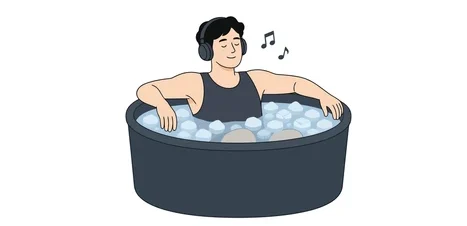
Cold Therapy: When Chattering Teeth Can Actually Make You Stronger!
Let’s be honest. Our first instinct is usually to run away from the cold, not toward it.
It’s not totally natural to want an ice-cold plunge.
But what if a little cold exposure could help you improve your recovery, training, sharpen your focus, and even make you more resilient to stress?
As uncomfortable as it sounds, the science behind cold therapy and cold plunges is surprisingly cool.
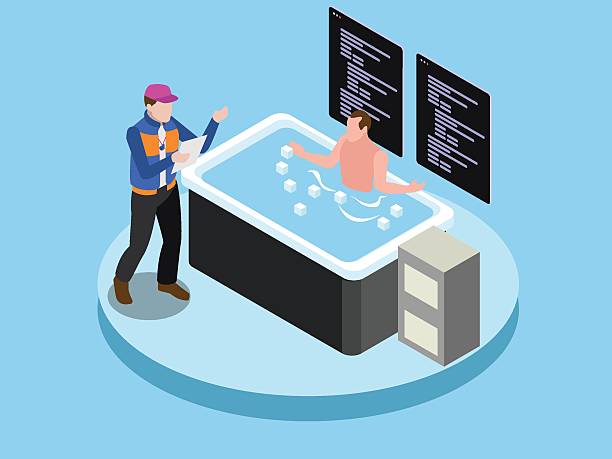
But want to Lift More? Don’t Jump in a Cold Plunge just yet…
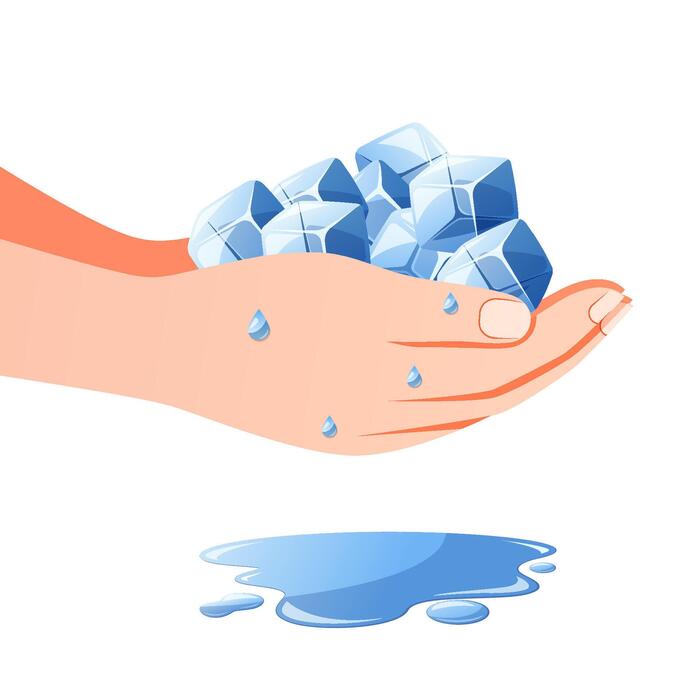
Instead, try cooling your face, the palms of your hands, or the bottoms of your feet when you start overheating during a workout.
Why those areas?
These parts of your body contain specialized blood vessels that are particularly effective at releasing excess heat. As your body cools down, your muscles can continue working before overheating forces them to slow down.
Research has found that strategically cooling these areas allowed participants to lift more weight, perform more repetitions, and run farther than those who didn’t cool down.
One study even found that participants completed three times as many pull-ups when using cooling strategies compared to those who didn’t.
Pretty impressive for something as simple as cooling your hands.
Your Body Has a Built-In Performance Limiter
When we exercise, our muscles produce heat.
Eventually, your brain recognizes that your body is getting too hot and begins putting the brakes on performance to protect you.
Think of it like the temperature warning light in your car.
Cooling your palms, face, or feet helps your body get rid of excess heat more efficiently, allowing you to keep performing for longer.
Should You Jump Into an Ice Bath After Every Workout?
Not exactly.
Cold therapy has become incredibly popular for recovery, but timing matters.
If your goal is building muscle, research suggests that taking an ice bath within about four hours after strength or hypertrophy training may reduce the muscle-building response.
In other words…
If your workout for the day was designed to help you grow stronger and build muscle, your body actually benefits from experiencing that normal training response.
Cooling it down too soon may interfere with the training session.
So When Are Ice Baths Helpful?
Cold exposure still has an important place.
It can be especially useful when your priority is recovering quickly rather than building muscle.
For example:
- During tournaments or competitions where you need to perform again later that day.
- Between games or events.
- After endurance events.
- During periods where a quick recovery is the priority.
Sometimes bouncing back faster is more important than maximizing muscle growth. And if this is what’s important to you that day, then cold plunges are for you!
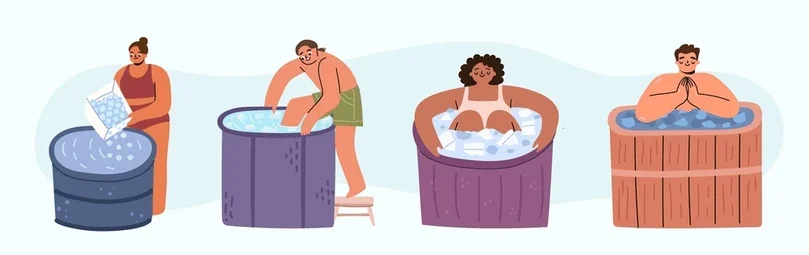
Cold Can Train More Than Your Muscles
Now, one of the most fascinating benefits of cold exposure has nothing to do with physical performance.
It has to do with your brain.
When you’re standing under freezing water, every instinct tells you to get out. But instead of panicking, you can practice something incredibly valuable:
Staying calm.
Research suggests that around 11 minutes of cold exposure per week, spread across two or three sessions, may improve your ability to tolerate stress over time.
The cold doesn’t become easier. You simply become better at responding to it.
Focus on slow breathing. Allow yourself to relax.
Notice that you can stay calm even when you’re uncomfortable. That’s a skill that carries over into everyday life.
Caveat: Goldilocks is the key. Cold exposure that is too intense or too long may have the opposite effect if it overwhelms your system. You should feel uncomfortable during the cold exposure and great afterwards; you should not feel overwhelmed during the cold exposure and depleted afterwards.
Natural Responses to Being Cold
When your body is exposed to cold, it immediately begins working to warm itself back up.
This natural response activates several systems involved in recovery and adaptation.
Research suggests cold exposure may:
- Reduce inflammation and oxidative stress
- Support normal cellular repair processes
- Increase alertness
- Provide a short-term boost in dopamine and noradrenaline (the chemicals involved in focus and motivation)
- Improve tolerance to colder temperatures over time
Thinking About Giving It a Try?
Start small. A cold shower is a great place to start.
A few simple tips:
- Begin with short exposures.
- Gradually work toward about 11 minutes per week, divided over two or three sessions.
- Focus on slow, controlled breathing.
- Allow your body to shiver – it’s one of the ways your body generates heat.
Important Things to Remember
Cold exposure isn’t a competition.
Keep these tips in mind:
- Don’t try your first cold plunge alone.
- Avoid dunking your head – maintaining good blood flow to the brain is greatly preferred.
- Don’t stay in so long that your body becomes excessively stressed.
- Skip cold therapy if you’re feeling sick or under the weather.
The Bottom Line
Cold exposure isn’t magic.
But when used intentionally, it can become another tool to improve performance, recovery, and resilience.
Want to perform better during training? Cool your palms, feet, or face.
Trying to build muscle? Maybe save the ice bath for another day.
Wanting a quick recovery? Give a cold plunge a try!
Looking to become a little more resilient to life’s everyday stresses? Turn the shower a little colder.
Take a deep breath. Your body is remarkably adaptable. Let’s adapt towards strength and resilience.