

Why Being More Playful Might Be the Best Thing You Do for Your Brain
When was the last time you did something simply because it was fun? Not because it was productive. Not because it burned calories. Not because it checked something off your to-do list. But just because you enjoyed it.
As children, play is a natural part of everyday life. We climb trees, build forts, race our friends, make up games, and explore without giving it much thought. Somewhere along the way, many of us begin to believe that play is something we grow out of.
What if we’ve had it backwards all along?
Play Is More Than Just Fun
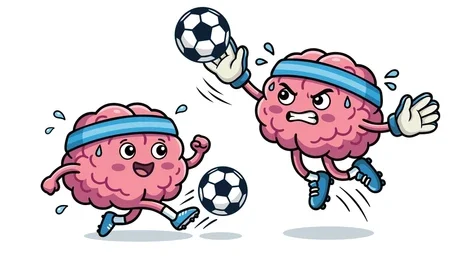
Play isn’t simply entertainment – it is one of the ways our brains learn best.
When we play, our brains release naturally occurring chemicals called endogenous opioids (including endorphins), which help regulate mood, reduce pain, and make activities feel rewarding. At the same time, the brain produces brain-derived neurotrophic factor (BDNF), often described as “fertilizer for the brain” because it supports learning, brain development, and the formation of new neural connections.
In other words…Your brain loves to play.
Why Does Play Matter?
Every time you try something new, your brain is making predictions.
“Will I catch the ball?” “Can I balance on this?” “What happens if I take a different route?”
Play allows your brain to test those predictions in a low-pressure environment.
Scientists sometimes describe this as contingency testing – experimenting with different possibilities and learning from the outcome.
You don’t have to get everything right. You just have to be curious enough to try.
The more experiences your brain has, the better it becomes at adapting to whatever life throws your way.
Play Helps Build a Better Brain
A playful mindset stimulates many different parts of the brain at the same time.
Over time, this supports:
- Better brain development
- Learning and memory
- Flexible thinking
- Creativity
- Problem-solving
- Social skills
- Coordination and motor skills
- Confidence when trying new things
The goal isn’t to become perfect. The goal is to become adaptable.
What Does Play Look Like as an Adult?
Good news – it doesn’t require a playground. Play can be anything that encourages curiosity, exploration, or movement.
You might:
- Walk a different route home.
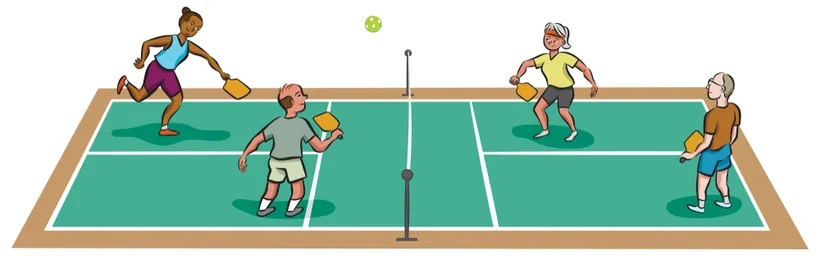
- Try pickleball with a friend.
- Take a pottery or painting class.
- Ride your bike somewhere you’ve never been.
- Learn a new dance.
- Explore a new hiking trail.
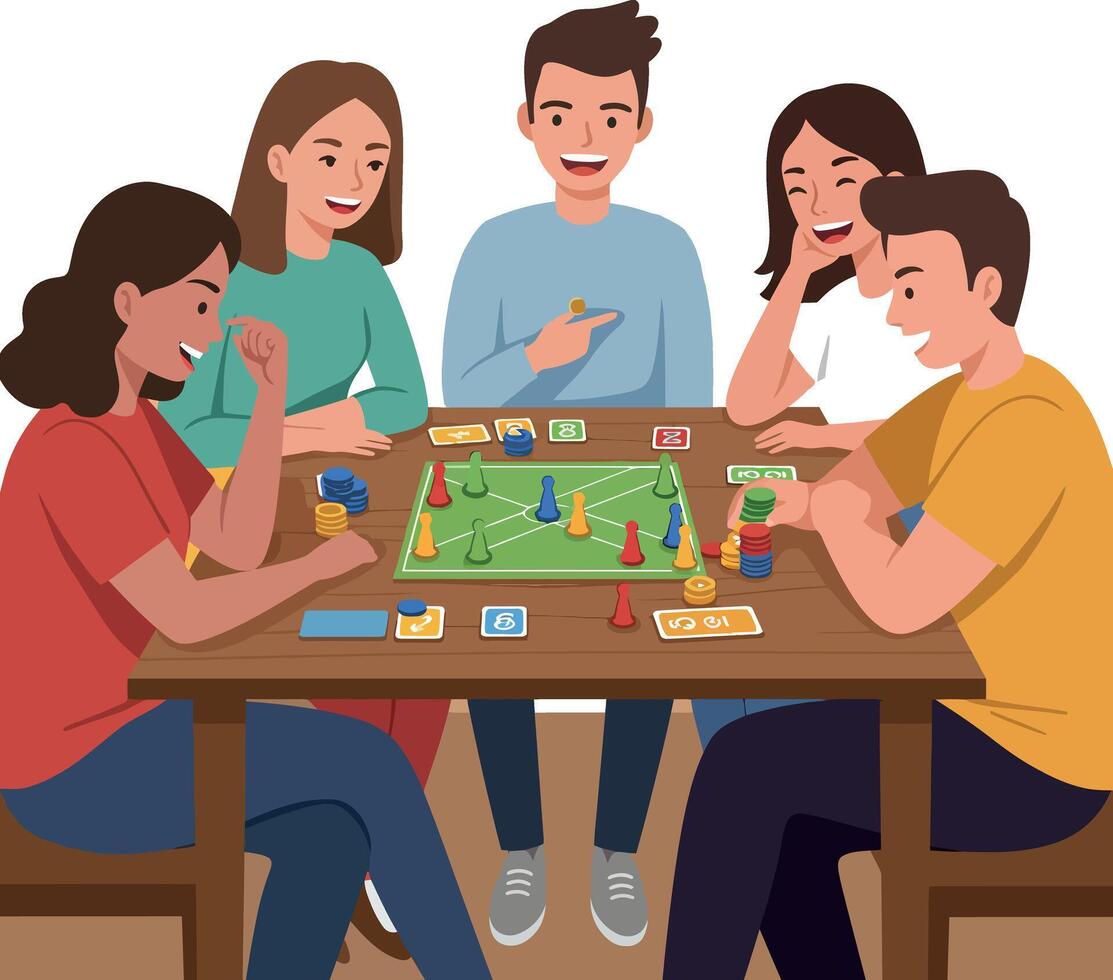
- Play a board game.
- Move your body in a way you’ve never tried before.
Every new experience teaches your brain something. Every new experience helps your brain make better predictions.
Your Challenge This Week
Do one thing you’ve never done before. It doesn’t have to be big. Try a new coffee shop. Visit a different park. Take the scenic route. Learn one new movement.
Your brain doesn’t care whether it’s “important.” It cares that it’s new.
The Takeaway
Life becomes more predictable when we repeat the same routines every day. While routines are helpful, our brains also thrive on novelty.
Trying new things, visiting new places, meeting new people, and moving in different ways all give your brain opportunities to learn, adapt, and grow.
So this week, give yourself permission to be a little more playful! You might discover a new hobby. You might meet someone new. You might surprise yourself. And your brain will thank you for it.